







Summary
Social media is no longer just for keeping up with friends—it’s a 24/7 shopping mall in your pocket. With trends like “TikTok Made Me Buy It”, it’s no surprise our money disappears faster than we can say add to cart.
If you’re living paycheck to paycheck while still outside living your best life… you’re likely overspending.
This guide is about the actions, strategies, and mindsets we can adopt to save our wallets!
Social Media: Re-designed For Commerce
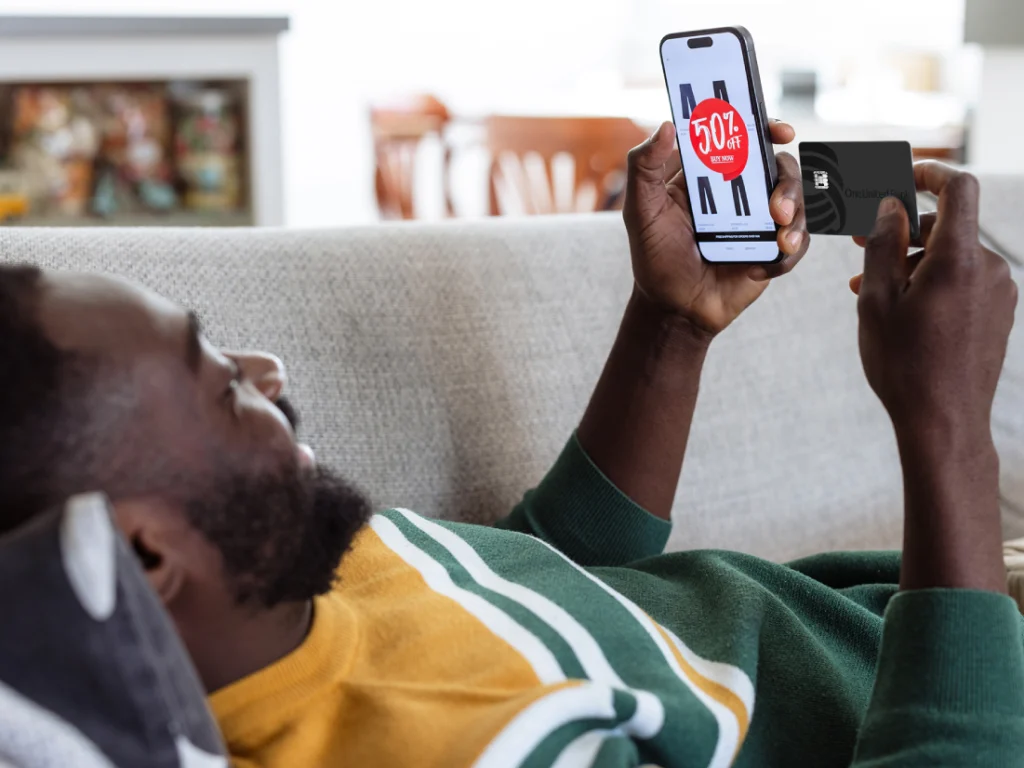
Have you ever looked up from your phone and realized you swiped hours of your life away and made a mindless purchase from an influencer’s sponsored post? Social media platforms aren’t just social—they’re engineered for profit. Algorithms learn your behaviors, then feed you a stream of ads disguised as “personalization”.
Per a 2023 Gallup poll, the average Gen Z user spends nearly 4.8 hours per day on social platforms, and per a 2023 Bankrate survey, nearly half of all users admit to buying something they saw in an ad or influencer post without planning to.
You don’t need to walk into a brick-and-mortar store, design a tailored search, or even leave your bed anymore. Our minds—and our wallets—are lost in the social apps on our mobile devices.
While this convenience feels good at the moment, our money leaves us before we’ve had a chance to think about what should be our financial priorities—like saving, debt management, or investing in assets that grow over time.
Reclaiming our Spending Power
Now imagine if half of those impulse buys went toward your credit card balance, savings account, or first investment. A 2022 Slickdeals survey shows that the average American spends above $314 a month on impulse buys, adding up to more than $3,500 for the year.
That’s enough to significantly support your emergency fund!
We have the power to curate our feeds, improve our digital literacy, and prioritize what really matters to us. This is how…
- Audit Your Attention. Set daily screen time limits and track which applications are eating into your time the most. Most phones have a built-in tracker, but apps like Opal or One Sec can help curb impulsive app usage.
- Control Your Feed. Unfollow accounts that trigger comparison, social buying, or FOMO. Then, head to your app settings to limit ad tracking and reduce data sharing across apps.
- Prioritize High-Effort Alternatives. Instead of tapping “buy now,” create a wishlist or delay purchases by 24 hours. Shop IRL (in real life) when possible, support community-led markets, or use online directories to find mission-aligned businesses to encourage value-based spending.
- Sales Still Cost You. Buying something on sale isn’t saving—it’s still spending. Before buying, ask: “Would I pay full price for this?” If not, keep it moving.
- Use the “$1 Per Wear” Rule. Before buying new clothes, ask: How many times will I actually wear this? A $100 jacket you wear 100 times? Worth it. A $50 party top you’ll wear once? Maybe not.
- Try a “No Spend” Month. Pick one month out of the year where you only spend on essentials. No fashion hauls, no new tech gadgets, no takeout. Journal the experience or do it with a group. You’ll be amazed at what changes when spending becomes a conscious act.
- Invest in Your Financial Wellness. Learning how money moves is one of the most powerful ways to shift your habits. Tap into our Financial Wellness programs to build positive financial habits.
Conclusion
Overspending isn’t just a personal failing—it’s caused by systems designed to push spending and further encouraged by social pressure.
Set app limits. Change your in-app and native phone settings. Think critically about how you’re using your dollars. Let’s reclaim our attention and save our wallets by creating the right financial mindsets!