








Summary
Marketing shapes the choices that impact your wallet. If you understand how those tactics pull your attention and steer your dollars, you can protect your cash flow, keep your money compounding, and send more of each purchase back into your local economy.
Americans report spending about $282 per month on impulse purchases, or $3,381 a year, according to a Capital One Shopping Research 2024 report. More than one-fifth of consumers used Buy Now, Pay Later in 2022, with about 63% holding multiple simultaneous loans, per a Consumer Financial Protection Bureau 2025 report.
These figures are affected by the wiring of our brains! Consumer behavior is used to target and influence how we spend. The aim is simple: Reach you at the right moment and make the product feel like it’s something you have to have.
Consider a small business that emails its newsletter list to announce a new product. Now, consider a large retailer that pushes a holiday discount across your social feeds. Both try to drum up interest and persuade you to spend.
Below are four common pressure points applied to your spending and what to do about each one.
Sponsored Ads.
Sponsored ads artificially place one offer closer to your line of sight than others. Sponsorship labels are getting harder to detect, search results blur ads and organic listings, and even nonprofits buy placement, which can push paid ads above local providers.
What you can do:
- Train your eye to spot the “sponsored” tag on search results.
- When you buy or donate, go directly to the organization’s or local shop’s website so more of your money reaches the provider.
Designed Overconsumption.
Personalized targeting drives consumers to spend beyond needs and reasonable wants. It can create a relationship that prioritizes consumer spend over financial wellness. Many businesses will try to raise your average basket size and push you toward options above your budget.
Those struggling with overconsumption are often targeted, especially where financial literacy is low. Building personal and generational wealth suffers when marketing keeps you chasing deals and “must-haves”!
What you can do:
- Use a 24-hour rule for non-essentials and remove saved cards to add another step before every purchase.
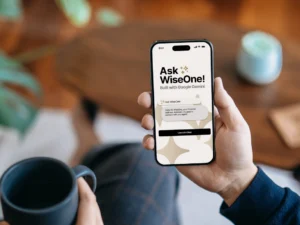
- Set category caps and track patterns with an intelligent co-pilot tool like WiseOne so you can see and correct overspending early.
Fatigue and Maximization.
Many large businesses wear down consumers by flooding you with loud marketing that promises relief if you buy. Many issues they claim to solve, in reality, require intangible solutions, such as learning, therapy, and a clear definition of joy.
What you can do:
- Turn off notifications that do not add real value and unsubscribe from lists that are not from local businesses you use.
- Set monthly and special-occasion budgets in advance to keep decisions inside the green.
We need to break up with overconsumption and lean into conscious consumption to protect our financial goals. Using financial literacy tools like WiseOne, we can better understand our spending patterns and redirect our dollars to local economies.
Each avoided impulse protects your goals. Each local purchase keeps money circulating where it matters.
It is time to take your brain off marketing and connect it to financial wellness!